You Won’t Believe What Edinburgh’s Hidden Gems Can Do for Your Travel Soul
Edinburgh isn’t just about castles and kilts—its true magic lies in the unique, handcrafted treasures you can only find in this historic city. From aromatic single-estate teas to artisanal wool scarves dyed with Scottish heather, every product tells a story. I wandered cobbled lanes and cozy boutiques to uncover the real soul of Edinburgh through its specialty goods—authentic, local, and unforgettable. These are not mere souvenirs; they are fragments of heritage, stitched with intention and rooted in centuries of tradition. For travelers seeking more than postcard views, Edinburgh offers a deeper connection—one woven into fabric, captured in flavor, and shaped by hand.
Why Specialty Products Define Edinburgh’s Identity
Edinburgh’s identity is not defined solely by its skyline or skyline landmarks, but by the quiet craftsmanship that pulses through its streets. The city’s cultural DNA is deeply interwoven with age-old traditions—wool weaving in the Borders, small-batch whisky maturation in hidden distilleries, and botanical infusions drawn from the hills surrounding Holyrood Park. These practices are not museum relics; they are living arts, passed down through generations and reimagined by modern makers. When you hold a jar of Edinburgh-made rosehip and thyme honey, you’re touching a lineage of foraging knowledge that stretches back to medieval apothecaries. When you drape a scarf spun from Shetland wool, you’re wrapped in a textile tradition refined over hundreds of years.
Buying specialty products in Edinburgh goes far beyond souvenir shopping—it becomes an act of cultural preservation. Each purchase supports independent artisans, family-run farms, and small workshops that uphold standards of quality often lost in mass production. Unlike generic trinkets sold at airport shops, these items carry provenance: a maker’s name, a place of origin, a story of process. A bottle of gin distilled with locally foraged gorse flowers isn’t just a spirit—it’s a sensory map of the city’s green spaces. This authenticity is what defines Edinburgh’s soul: a reverence for the handmade, the slow, and the meaningful.
Moreover, these goods reflect the city’s delicate balance between heritage and innovation. You’ll find traditional tweed jackets re-cut with contemporary silhouettes, or oatcakes flavored with sea salt harvested from the Firth of Forth. Edinburgh does not cling to the past; it honors it while moving forward. The city’s creative energy thrives in this intersection, where ancestral skills meet modern design. To shop here is to participate in that dialogue—to take home not just an object, but a piece of a living culture.
The Best Areas to Hunt for Authentic Local Goods
To discover Edinburgh’s most authentic products, one must venture beyond the polished storefronts of tourist-heavy zones and into neighborhoods where daily life unfolds at a gentler pace. The Royal Mile, while crowded, still holds hidden corners where family-run shops sell hand-dipped candles, leather-bound journals, and woolen goods knitted in the Highlands. Look for the narrow closes—steep, stone-lined alleys—that branch off the main thoroughfare. These often lead to tucked-away studios where potters, jewelers, and weavers work in quiet dedication.
Stockbridge, nestled just north of the city center, offers a more intimate experience. This residential enclave hums with local charm, anchored by its weekly farmers’ market held every Sunday under the shadow of St. Stephen’s Church. Here, you’ll find small-batch preserves, artisan breads, and handmade soaps made with goat’s milk from nearby farms. The boutiques lining St. Stephen Street specialize in curated goods—Scandinavian-inspired ceramics, linen clothing, and locally printed art. It’s a place where residents shop, not just tourists browse, which ensures authenticity in both product and experience.
Victoria Street, with its rainbow-hued buildings and sloping cobblestones, feels like stepping into a storybook. This curved lane connects the Old Town to the Grassmarket and hosts an eclectic mix of independent shops. From apothecaries selling herbal tinctures to bookshops stacked floor-to-ceiling with vintage finds, Victoria Street rewards slow exploration. Visit in the early morning when the light slants across the rooftops and the foot traffic is light—this is when the city feels most alive with possibility. Weekends bring pop-up stalls and street performers, adding rhythm to your wander.
Walking is the best way to uncover Edinburgh’s hidden retail gems. The city’s compact size makes it ideal for exploration on foot, and its topography ensures surprises around every bend. As you climb from the Meadows to Morningside, or meander through the cobbled lanes of Dean Village, you’ll stumble upon studios where glassblowers shape molten glass into delicate vases, or weavers demonstrate traditional loom techniques. These moments of serendipity are part of what makes Edinburgh shopping so rewarding—not just what you find, but how you find it.
Must-Try Edible Treasures: From Whisky Chocolates to Honey Cake
Edinburgh’s culinary landscape is a treasure chest of flavor, where tradition meets innovation in delicious harmony. Among the most beloved edible specialties is shortbread—buttery, crumbly, and often imprinted with thistle or tartan patterns. But look beyond the supermarket versions to small-batch producers who use organic flour, hand-churned butter, and even smoked sea salt. Some bakers infuse their shortbread with rose petals or rowan berry, creating treats that capture the essence of Scotland’s wild flora.
Equally compelling are Edinburgh’s whisky-infused confections. At independent chocolatiers tucked into quiet lanes, you’ll find dark chocolate truffles laced with single-malt whisky from local distilleries. The alcohol isn’t masked—it lingers in the finish, warming the palate like a gentle embrace. These chocolates are perfect for gifting or savoring slowly with a cup of tea. For a truly unique experience, try whisky fudge: rich, creamy, and flecked with gold leaf or crushed hazelnuts. It’s decadence with a Scottish accent.
Another must-try is clootie dumpling, a traditional Scottish dessert that has found new life in modern bakeries. Once wrapped in a cloth (a “clout”) and boiled for hours, today’s versions are often baked and spiced with cinnamon, nutmeg, and candied peel. Some artisans pair it with clotted cream or whisky custard for an elevated twist. You’ll find it at weekend markets or specialty tea rooms, especially in the autumn months when spiced desserts take center stage.
Don’t overlook Edinburgh’s honey offerings. Urban beekeeping has flourished in recent years, with hives placed on rooftops near Holyrood Park and the Botanic Gardens. The resulting honey carries subtle floral notes—lingering hints of heather, lime blossom, or dandelion—depending on the season. Jarred with minimalist labels and often sold at farmers’ markets, this honey makes a delicate gift. Store it in a cool, dark place, and it will keep for months, its flavor deepening over time. Pair it with oatcakes or spread it on warm scones for a taste of Edinburgh’s terroir.
Wool, Tweed, and Hand-Knit Secrets You Need to Know
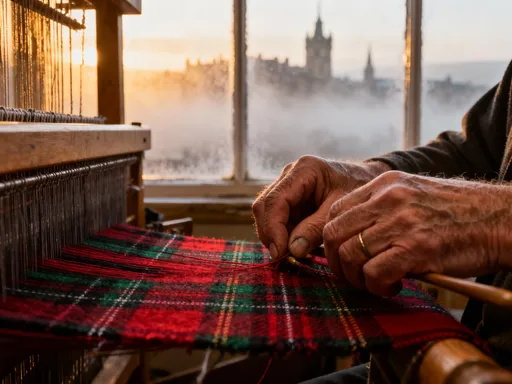
No exploration of Edinburgh’s specialty goods would be complete without delving into Scotland’s world-renowned textile heritage. Wool is more than a fabric here—it’s a cultural symbol, a source of warmth, and a craft refined over centuries. The difference between mass-produced tartan and authentic, locally woven wool is immediately apparent: weight, texture, and depth of color. Genuine Scottish wool is dense and resilient, spun from sheep raised in the rugged Highlands and Borders, where the climate produces stronger, oil-rich fibers ideal for insulation.
Edinburgh is home to several independent knitwear studios where designers honor ancestral patterns while introducing modern updates. In quiet workshops, you’ll find artisans hand-knitting Fair Isle sweaters using techniques passed down through generations. These garments feature intricate geometric motifs—diamonds, zigzags, and snowflakes—each with regional significance. A true Fair Isle piece is made with pure wool, not synthetic blends, and is knitted tightly to ensure durability. Though the price may be higher, the investment pays off in longevity and timeless style.
When shopping for wool items, look for signs of quality. A well-made scarf or sweater should feel substantial but not stiff. The weave should be even, with no loose threads or gaps. Check the label for origin—many authentic products are labeled “Made in Scotland” or “Wool from the Scottish Borders.” Some makers even include the name of the mill or the sheep farm, adding a layer of transparency and connection.
Tweed, another iconic Scottish fabric, is woven with a distinctive rough texture and earthy color palette inspired by the landscape—moss green, heather purple, and slate gray. Unlike machine-made imitations, genuine tweed is often hand-loomed and dyed with natural pigments extracted from plants like bracken or lichen. A tweed cap or jacket is not just a fashion statement; it’s a functional garment designed for Scotland’s unpredictable weather. For those seeking a truly unique piece, some designers offer made-to-order services, allowing you to choose the pattern, cut, and lining.
Where to Find One-of-a-Kind Ceramics and Artisanal Crafts
Edinburgh’s artistic spirit shines brightest in its ceramics and handcrafted goods, where form and function merge into objects of quiet beauty. The city’s potters draw inspiration from its dramatic landscapes—the stormy skies above Arthur’s Seat, the rugged coastline of Portobello Beach, the mist that rolls in from the Firth of Forth. Their work reflects these elements: stoneware mugs glazed in deep indigo, vases textured to mimic sea-worn stone, and plates with speckled finishes reminiscent of volcanic rock.
Old Town galleries and studios offer direct access to these creators. In small, light-filled spaces, you’ll meet artists who throw their own clay, fire their kilns, and hand-paint each piece. Some use volcanic ash in their glazes, sourced from dormant Scottish volcanoes, giving their work a unique mineral depth. Others incorporate crushed seashells or sand into their ceramics, embedding fragments of the coastline into every bowl and cup.
Leith, once a bustling port and now a hub for creative renewal, hosts several artisan collectives where glassblowers, jewelers, and ceramicists share workspace and sell directly to the public. Here, you can watch molten glass being shaped into delicate paperweights or vases, each swirl of color a one-time creation. The personal connection enhances the value of the piece—you’re not just buying an object, but a moment of craftsmanship witnessed firsthand.
When purchasing fragile items like ceramics or glass, consider shipping options. Many studios partner with reliable couriers experienced in handling delicate goods. They use custom-cut foam inserts and double-boxing to ensure safe transit. If you’re carrying items in your luggage, wrap them in soft woolen garments or use bubble wrap available at local packaging shops. With proper care, these pieces can travel thousands of miles and arrive intact, ready to bring a touch of Edinburgh’s artistry into your home.
Markets and Pop-Ups: The Pulse of Edinburgh’s Creative Scene
For a true sense of Edinburgh’s creative energy, visit its vibrant markets and seasonal pop-ups. These events are not just shopping destinations—they are community gatherings, alive with music, conversation, and the scent of fresh bread and roasting coffee. The Edinburgh Farmers’ Market, held every Sunday in the West End, is a must-visit. Under striped canopies, local producers display everything from raw sheep’s milk cheese to rhubarb and ginger chutney. You’ll find bakers pulling warm sourdough from portable ovens, and beekeepers offering honey tastings from wooden crates.
Craft @ The Mound, located near the National Gallery, features rotating stalls of independent makers—jewelers setting stones by hand, printmakers selling limited-edition linocuts, and textile artists displaying hand-embroidered tea towels. What sets these markets apart is the chance to speak directly with creators. Ask about their process, their materials, their inspiration. You might learn that a soap maker uses seaweed harvested from the Firth of Forth, rich in minerals and sustainably gathered at low tide. These conversations deepen your appreciation and transform a simple purchase into a meaningful exchange.
During festival season, pop-up shops spring up across the city, often in repurposed spaces like old bank vaults or disused storefronts. These temporary boutiques showcase emerging designers and limited-run collections. Some focus on sustainable fashion, others on upcycled homewares. They’re worth seeking out—not only for the uniqueness of the goods, but for the sense of discovery they evoke. Arrive early, bring cash (many vendors don’t accept cards), and allow time to linger. The best finds often come from wandering without a plan.
These markets are more than commercial events; they are expressions of Edinburgh’s independent spirit. They celebrate slow production, local sourcing, and creative risk-taking. By supporting them, you contribute to a culture that values authenticity over convenience, craftsmanship over mass appeal.
How to Shop Sustainably and Respectfully in Edinburgh
As travelers, we have a responsibility to shop with awareness—especially in a city rich with cultural heritage. Sustainable shopping in Edinburgh means choosing products made with care, not mass-produced imitations churned out in distant factories. It means supporting makers who use eco-friendly materials, minimize waste, and respect the environment. Look for goods packaged in recyclable paper or reusable tins. Ask about sourcing: Is the wool from humanely treated sheep? Are the botanicals foraged sustainably?
Respectful shopping also involves understanding context. Tartan patterns, for instance, are not generic designs—they belong to specific clans and regions. When purchasing tartan items, seek out those labeled with their clan association or made by Scottish-owned businesses. Avoid shops that commodify cultural symbols without acknowledgment or accuracy. A kilt or tartan scarf should be more than a costume; it should be a tribute to a living tradition.
Practice slow shopping: take time to learn the story behind what you buy. Sit for a cup of tea while the potter explains her glazing technique. Let the knitter show you how the Fair Isle pattern was adapted from her grandmother’s notebook. These moments of connection enrich your travel experience and ensure your purchases carry meaning. Value quality over quantity—buy one well-made item rather than five cheap souvenirs that will fray or fade.
By shopping mindfully, you become part of Edinburgh’s creative ecosystem. You help preserve traditions that might otherwise fade. You support families and artisans who dedicate their lives to their craft. And in return, you take home something that transcends mere decoration—a tangible link to a place, its people, and its soul.
Conclusion: Take Home More Than a Souvenir
Edinburgh’s specialty products are more than objects—they are vessels of memory, identity, and connection. Each hand-knit scarf, jar of wildflower honey, or stoneware mug carries the imprint of its maker and the spirit of the city. They invite you to slow down, to look closely, to listen. When you choose these items, you’re not just acquiring souvenirs; you’re participating in a tradition of craftsmanship that values patience, integrity, and beauty.
Let your shopping journey be one of discovery. Wander the quiet closes, chat with makers, taste what’s fresh and local. Return home not with clutter, but with meaning—objects that spark conversation, evoke memories, and reflect the depth of your experience. Edinburgh offers more than sights; it offers stories. And when you take one home with you, you keep that story alive.