Shutterbugs, This City Is a Cultural Dream Come True
You know that feeling when a city just gets you? Ljubljana did that to me—unexpectedly, completely. Wandering its cobbled lanes, I kept raising my camera, not just for the views, but for the soul in the details. From century-old theatres to indie art hubs tucked in courtyards, every cultural venue here tells a story worth framing. This isn’t just travel photography—it’s visual storytelling at its finest. Ljubljana, the quiet capital of Slovenia, pulses with creative energy, where baroque elegance meets urban reinvention. It’s a city that rewards curiosity, invites stillness, and reveals itself in layers—perfect for the thoughtful photographer seeking authenticity, beauty, and cultural depth.
The Photographic Pulse of a Compact Capital
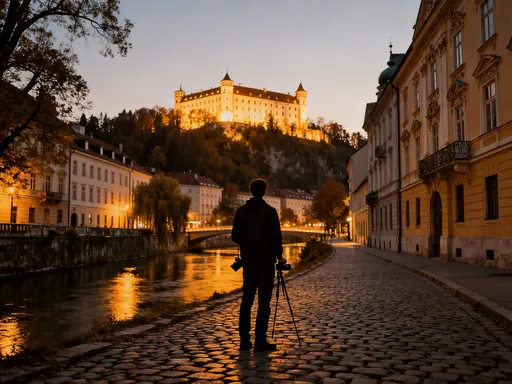
Ljubljana’s charm lies in its intimate scale and seamless blend of nature and architecture. Unlike sprawling metropolises that demand navigation by metro or taxi, this city unfolds best on foot or by bicycle, making it ideal for photographers who thrive on spontaneity and immersion. The entire historic center is largely car-free, a rare feature in Europe that allows for unobstructed compositions, peaceful street scenes, and candid moments without the rush of traffic. As you wander, the Ljubljanica River guides your path like a silver ribbon, reflecting pastel-colored facades, arched bridges, and the occasional swan gliding silently beneath. The riverbanks are lined with outdoor cafés, sculptural installations, and flower-filled planters, offering endless framing opportunities. Early morning light casts soft gold across the water, while dusk brings a warm glow from lanterns and riverside lamps, creating natural backlighting for silhouettes and mood shots.
Because the city center measures just over one square kilometer, photographers can move fluidly between iconic landmarks and hidden corners within minutes. One moment you’re capturing the whimsical Dragon Bridge, guarded by its green-scaled statues; the next, you’re ducking into a quiet courtyard where ivy climbs weathered stone walls and potted herbs sit beside vintage bicycles. These transitions allow for rich visual storytelling—contrasting grandeur with intimacy, stillness with life. The compactness also means less fatigue and more focus on composition, light, and timing. You’re not racing from site to site; you’re lingering, observing, waiting for the right moment when a local walks past a mural, or sunlight hits a stained-glass window just so. This deliberate pace fosters a deeper connection with the environment, turning each photograph into a deliberate act of observation rather than a checklist item.
For street photographers, Ljubljana offers a balanced mix of activity and calm. The Central Market, designed by architect Jože Plečnik, is a visual feast of symmetry and local life. Vendors arrange fresh produce in vibrant pyramids, fishermen display their morning catch, and flower stalls burst with seasonal blooms. Shooting here requires sensitivity—always ask before photographing people up close—but the scenes are rich with texture, color, and cultural authenticity. Wide-angle lenses work well to capture the market’s architectural rhythm, while macro shots reveal the dew on a strawberry or the weave of a hand-knotted rug. The city’s commitment to public art and green spaces also enhances photographic variety. Sculptures by Jakov Brdar and Janez Lenassi appear unexpectedly in parks and plazas, often integrated with natural elements, inviting creative compositions that merge art, landscape, and urban design.
Ljubljana Castle: Where History Meets the Viewfinder
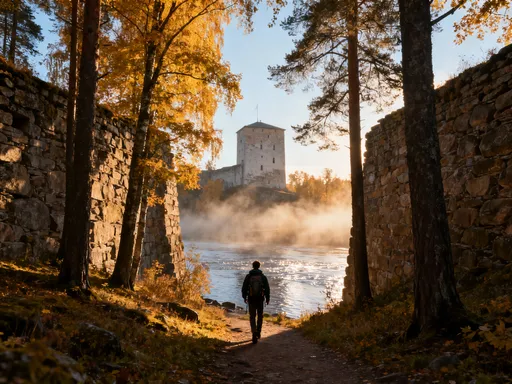
Rising above the city like a sentinel, Ljubljana Castle is both a historical landmark and a photographer’s dream. Accessible by foot via a winding forested path or by a short funicular ride from the city center, the ascent itself offers evolving perspectives. The funicular provides a moving vantage point—through its large windows, you can capture the rooftops falling away beneath you, the river snaking through the urban fabric, and glimpses of distant hills. Once at the top, the panoramic view is nothing short of cinematic. On clear days, the Julian Alps form a hazy backdrop to the east, while the city sprawls below in a mosaic of terracotta tiles, green parks, and shimmering water. This is the perfect place for wide-angle landscape shots, especially during golden hour when the late afternoon sun bathes the old town in warm amber light.
But the castle is more than just a viewpoint—it’s a living cultural space with layers of visual interest. The exterior stone walls, weathered by centuries, tell stories in texture and shadow. Arched doorways, iron-studded gates, and narrow staircases invite exploration and intimate framing. Inside, the castle balances preservation and modernity. The Chapel of St. George, where couples often exchange vows, combines medieval simplicity with contemporary elegance. Capturing a wedding ceremony here requires discretion and permission, but even empty, the chapel’s stained glass and stone altar offer compelling still-life opportunities. The courtyard hosts seasonal art installations, from light sculptures in winter to floral arrangements in spring, each transforming the space into a temporary gallery. These rotating exhibits ensure that repeat visits yield fresh photographic content.
One of the most striking features is the glass-floored observation deck, which allows visitors to look straight down to the ground 80 meters below. For photographers, this creates a dramatic opportunity to shoot downward, capturing the pattern of cobblestones and the movement of people from an unusual perspective. Using a polarizing filter can help reduce glare on the glass while maintaining clarity. Tripods are generally allowed in outdoor areas, making long-exposure shots possible at dawn or dusk. Night photography here reveals the city lights twinkling like stars, with the river acting as a mirror. The castle also offers guided tours that include access to lesser-known areas such as the tower rooms and prison cells, which, while dimly lit, provide atmospheric shots with strong contrasts and moody lighting. These spaces remind us that history isn’t just preserved—it’s felt.
The National Gallery: Capturing Slovenian Art in Focus
As Slovenia’s foremost institution for visual arts, the National Gallery offers a profound journey through the nation’s creative identity. Housed in a neoclassical palace along the riverbank, the building itself is a photographic subject—the symmetry of its façade, the grand staircase, and the play of light through tall windows create a sense of reverence and order. Inside, the gallery spans centuries, from 14th-century religious panels to 20th-century modernist works by artists like Ivan Grohar and Rihard Jakopič. While flash photography is prohibited to protect the artworks, the gallery’s natural lighting and glass-covered display cases offer unique challenges and opportunities for creative image-making.
Photographing paintings in museums requires a thoughtful approach. Reflections on glass can be minimized by shooting at an angle, using a lens hood, or positioning yourself carefully. A telephoto lens allows you to capture details without getting too close, preserving both the artwork and the viewing experience for others. Beyond the paintings, the gallery’s atmosphere is rich with photographic potential. Visitors pause in contemplation, their silhouettes framed against large canvases; children point at colorful details; guides gesture toward symbolic elements. These candid moments add narrative depth, showing how art lives in human interaction. The interplay of light and shadow in the Baroque halls enhances mood—soft morning light filtering through skylights can illuminate a golden frame or cast long shadows across the marble floor.
Temporary exhibitions often include contemporary photography, adding a meta layer to the experience. A recent showcase on Yugoslav-era photojournalism, for example, presented black-and-white images of everyday life, protests, and cultural events, each telling a story through composition and context. Documenting these exhibitions is not only permissible but encouraged, as they are part of the cultural conversation. The gallery also hosts lectures, openings, and family days, which bring additional energy and diversity to the space. Photographing such events—again, with discretion and respect—can result in dynamic images of engagement, curiosity, and shared appreciation. The National Gallery is not a silent mausoleum of the past; it’s a living space where history, education, and emotion converge, offering photographers a chance to capture the quiet intensity of cultural reflection.
Cankarjev Dom: The Rhythm of Performance Spaces
Cankarjev Dom, named after the influential Slovenian writer Ivan Cankar, is the largest cultural center in Slovenia and a hub for performing arts. With multiple auditoriums, exhibition halls, and event spaces, it hosts over 2,500 events annually, including classical concerts, theatre productions, dance performances, and literary readings. While interior photography during live performances is restricted to protect artists and audience experience, the building’s architecture and public spaces offer compelling visual material. Designed in the brutalist-modernist style, Cankarjev Dom features raw concrete surfaces, geometric forms, and expansive glass walls that create strong contrasts between light and shadow. These elements make it a favorite among architectural photographers seeking bold, graphic compositions.
The exterior is particularly striking at dusk, when internal lighting illuminates the glass façades from within, turning the building into a glowing lantern. Long-exposure shots can capture the movement of people entering through the main doors, their paths traced by light trails. Inside, the lobby is a dynamic space—marble floors reflect overhead lighting, escalators move in rhythmic patterns, and large-scale temporary installations often occupy the central atrium. These elements create opportunities for abstract photography, focusing on lines, shapes, and reflections. The program covers, distributed at the entrance, are themselves works of design—colorful, typographically rich, and reflective of the event’s theme. Photographing them in context, perhaps resting on a seat or held by a visitor, adds narrative texture.
One of the most evocative ways to document Cankarjev Dom is to capture the atmosphere before a performance. The buzz of conversation, the rustle of programs, the anticipation in people’s eyes—all of these contribute to a sense of cultural vitality. Shooting audience members as they find their seats, adjust their coats, or whisper to companions requires a candid, respectful approach. A 50mm or 85mm lens works well for these close-up moments, allowing for natural expressions without intrusion. The center also hosts open days, typically once a year, when visitors can tour backstage areas, rehearsal rooms, and technical booths. These rare glimpses behind the curtain offer powerful photo opportunities—empty stages lit by a single spotlight, costume racks lined with period garments, or a pianist practicing in a soundproof room. These images remind us that culture is not just what we see on stage, but the labor, preparation, and passion that make it possible.
Kino Šiška: Reel Culture in a Revived Space
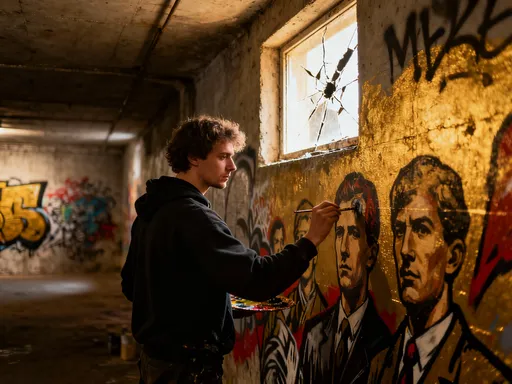
Nestled in a former industrial complex on the northern edge of the city, Kino Šiška has become a vibrant epicenter for alternative culture. Once a power station and later a cinema, the venue now hosts independent film screenings, digital art exhibitions, music performances, and youth-led initiatives. Its raw, urban aesthetic—exposed brick walls, steel beams, concrete floors, and graffiti-covered surfaces—creates an edgy, authentic backdrop for photography. Unlike polished galleries or historic theatres, Kino Šiška embraces imperfection, making it ideal for photographers drawn to grit, texture, and subcultural energy.
The interior spaces are flexible and constantly evolving. One week, a warehouse-like hall might be transformed into a dark room for video art projections; the next, it could host a punk concert with strobe lights and mosh pits. Capturing these moments requires adaptability and sensitivity. Natural light is limited, so photographers often rely on available light—neon signs, projector beams, or stage lighting—to create mood. High ISO settings and fast lenses (f/1.8 or lower) are essential for maintaining image quality in low-light conditions. Because events can be intimate or emotionally charged, it’s crucial to seek permission before photographing performers or attendees, especially in smaller screenings or experimental performances.
What makes Kino Šiška particularly compelling is its spirit of rebellion and innovation. Murals by local street artists cover the outer walls, changing with each season. The courtyard often features pop-up installations—sculptures made from recycled materials, sound art pieces, or interactive light displays. These temporary works invite creative framing and experimentation with perspective. The venue also supports emerging filmmakers and digital creators, hosting workshops and open calls for submissions. Documenting these processes—artists calibrating projectors, audiences engaging in Q&A sessions, crews setting up equipment—adds depth to the visual narrative. Kino Šiška is not just a place to watch culture; it’s a place where culture is made, tested, and reimagined. For photographers, it offers a chance to move beyond the postcard and capture the pulse of a living, breathing creative community.
Open-Air Stages and Summer Festivals: Culture in Full Frame
When summer arrives, Ljubljana sheds its quiet demeanor and blossoms into an open-air stage for music, theatre, and dance. From June to September, the city’s parks, squares, and riverbanks host dozens of cultural events, transforming public spaces into vibrant gathering points. The Ljubljana Festival, now in its seventh decade, is the crown jewel—a two-month celebration featuring classical concerts, opera, jazz, and contemporary performances in historic venues and outdoor settings. One of the most photogenic locations is Petkovškovo nabrežje, a riverside promenade where stages are set up beneath strings of fairy lights, and audiences lounge on blankets with picnics and wine.
Photographing open-air performances presents unique challenges and rewards. Natural light fades quickly, so sunset becomes a critical window. Shooting during the blue hour—just after the sun dips below the horizon—provides a soft, even glow that complements artificial stage lighting. A tripod is useful for longer exposures, especially when capturing light trails from moving performers or ambient glow from lanterns. Wide apertures help isolate subjects against darkening skies, while slower shutter speeds can convey motion, such as a violinist’s bowing arm or a dancer’s leap. Because these events are public and relaxed, photographers can move freely, changing angles and perspectives without intrusion.
Other venues, like the Glej Theatre’s garden or the courtyard of the Slovenian Philharmonic, offer more intimate settings. Here, the audience is close to the stage, creating opportunities to capture facial expressions, shared laughter, and the quiet concentration of musicians. Children often attend with their families, adding a layer of warmth and spontaneity—tiny hands clapping, wide-eyed wonder, parents whispering explanations. These human moments are as important as the performance itself, illustrating how culture is passed down and experienced collectively. The city’s cultural calendar is well-publicized, with schedules available online and at tourist centers, allowing photographers to plan visits around major events. Whether it’s a Shakespearean play under the stars or a gypsy jazz band improvising by the river, each event offers a unique visual story, shaped by weather, light, and the energy of the crowd.
Behind the Lens: Practical Tips for Photographing Culture
To make the most of Ljubljana’s cultural richness, a few practical considerations can elevate your photography from snapshots to storytelling. Timing is crucial—early morning offers soft light and fewer crowds, ideal for capturing empty streets, reflections on the river, and quiet moments at monuments. Late afternoon to early evening, especially during golden and blue hours, provides the most dramatic lighting for architecture and open-air events. Weekdays are generally less crowded than weekends, giving you more space to compose shots without distractions.
Respectful photography etiquette is essential, especially when photographing people, religious sites, or performances. Always ask permission before taking close-up portraits, and be mindful of signs indicating no photography. In galleries and museums, adhere to rules about flash and tripods. When in doubt, observe what others are doing or ask staff for guidance. Packing light is advisable—carry a versatile zoom lens (24-70mm), a prime lens for low light (35mm or 50mm), and extra batteries. A small tripod or monopod can be invaluable for stability during long exposures. Ljubljana’s free public Wi-Fi allows for easy backup and sharing, while its compact size means you can return to your accommodation quickly if needed.
Most importantly, approach photography as a form of listening. Let the city guide your lens—notice recurring motifs, such as Plečnik’s architectural details, the green of the river, or the warmth of community interactions. Capture not just what Ljubljana looks like, but how it feels: the ease of movement, the pride in heritage, the quiet joy of shared cultural moments. This city doesn’t shout; it whispers. And in that whisper, there is depth, dignity, and beauty waiting to be framed. Whether you’re a seasoned photographer or an enthusiastic amateur, Ljubljana invites you to slow down, look deeper, and let culture shape your vision. In doing so, you don’t just document a place—you connect with its soul.