You Won’t Believe These Secret Spots in Zion National Park
Zion National Park is more than just canyon views and crowded trails. Deep within its protected wilderness, hidden gems wait for those who know where to look. I’ve explored its quieter corners—places off the tourist radar, where silence reigns and nature thrives undisturbed. These secret spots reveal why protected areas matter, not just for scenery, but for the soul of the wild. This is real exploration. Away from the shuttle buses and packed overlooks, there are stretches of red rock and whispering cottonwoods where you can walk for hours without seeing another soul. These are the places where the true spirit of Zion lives—not in postcard snapshots, but in the stillness between breaths, in the rustle of a lizard across sandstone, in the distant call of a canyon wren echoing through a narrow gorge. This is not about avoiding crowds for vanity, but about rediscovering what it means to be present in nature.
The Hidden Heart of Zion
While most visitors follow the well-marked paths into The Narrows or up Angels Landing, the deeper essence of Zion lies in its overlooked zones—regions that remain quiet not by accident, but by design. The upper reaches of the North Fork Virgin River, beyond the usual hiking endpoints, flow through narrow canyons lined with hanging gardens of maidenhair fern and wild columbine. These areas, accessible only after long hikes or through less-traveled access points, are where the park breathes freely, undisturbed by the rhythms of mass tourism. Similarly, the Kolob Terrace, forming the park’s northwestern edge, offers high desert plateaus dotted with Ponderosa pines and volcanic ridgelines that few ever reach. This is not wilderness in name only; it is functioning, unbroken ecosystem, where natural processes unfold without human interference.
What makes these areas so special is not just their beauty, but their integrity. Unlike more visited zones where foot traffic has compacted soil and altered plant growth, these remote sections retain their ecological balance. The streams run clear, the native fish species persist, and the old-growth vegetation remains intact. Trails, where they exist, are faint and follow natural contours, minimizing erosion. These places are not preserved by being popular, but by being hard to reach—protected as much by geography as by policy. The National Park Service intentionally limits access to many of these areas, requiring permits or restricting vehicle entry to prevent degradation. This deliberate restraint is what allows the hidden heart of Zion to continue beating strong.
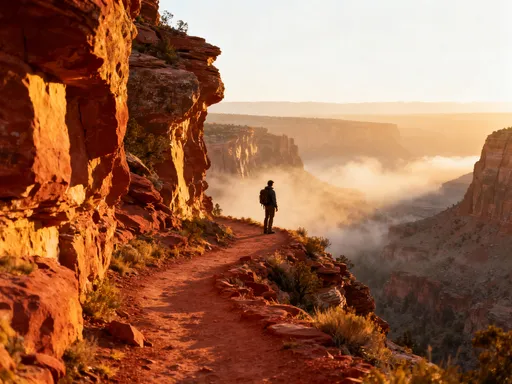
Walking through these quieter regions feels like stepping into a different dimension of the park—one where time slows and attention sharpens. You notice the texture of the sandstone, the way light shifts across a cliff face at midday, the faint scent of creosote after a rare rain. There are no guidebooks shouting directions, no crowds jostling for photos. Instead, there is space—to think, to listen, to simply be. These are the places where the land speaks, if you’re willing to be still enough to hear it.
Why Protected Areas Matter Here
The preservation of Zion’s remote corners is not just about scenic beauty—it’s about survival. National park designation provides a legal and ecological shield that allows fragile desert systems to function as they have for millennia. Without this protection, roads would cut through canyons, development would creep up the valleys, and the delicate balance between plant, animal, and climate would be disrupted. The park’s status ensures that native species have a refuge, a place to thrive without the constant pressure of human expansion. This is especially vital in an arid environment like Zion, where water is scarce, temperatures are extreme, and every organism plays a critical role in the web of life.
One of the most iconic residents of Zion is the desert bighorn sheep, a species that has adapted to life on sheer cliff faces and rocky outcrops. These animals require vast, undisturbed territories to roam, feed, and breed. They are sensitive to noise and human presence, which means that their survival depends on the existence of quiet zones within the park. Similarly, the Mexican spotted owl, a threatened species, nests in the dark recesses of narrow canyons and old-growth forests found only in the least accessible parts of Zion. These birds rely on seclusion and stable prey populations, both of which are maintained by the park’s conservation efforts. When we protect these landscapes, we are not just saving views—we are safeguarding entire lifeways.
Studies conducted by the National Park Service indicate that biodiversity in Zion remains stable in protected zones, while nearby unprotected areas show signs of species decline and habitat fragmentation. Though exact numbers vary, the trend is clear: where human activity is limited, nature persists. This is not a coincidence, but the result of decades of careful management, scientific monitoring, and public commitment to preservation. The park’s boundaries act as a sanctuary, allowing ecosystems to adapt to natural changes like drought or wildfire without the added stress of development or overuse. This long-term vision is what makes national parks so valuable—not just as destinations, but as living laboratories of resilience.
How to Find the Real Zion (Without Breaking the Rules)
Seeking solitude in Zion does not require breaking the rules or trespassing into restricted areas. In fact, the most rewarding experiences often come from following them. The park offers numerous legal and accessible routes into its quieter regions, provided visitors are willing to go a little farther, start a little earlier, or choose less famous trailheads. One such entry point is La Verkin Bridge, the southern terminus of the famous Virgin River hike that leads into The Narrows. While most people begin at the Temple of Sinawava and hike upstream, starting from La Verkin Bridge allows you to hike downstream—toward the main flow—when the river is low and the weather is cool. Because it requires a shuttle or car drop-off, fewer people attempt it, resulting in a more peaceful journey through one of the park’s most stunning waterways.
Another excellent starting point is the Hop Valley Trail, which begins near the Kolob Canyons Visitor Center. This route climbs steadily through red rock canyons and open meadows, eventually connecting to the La Verkin Trail and offering access to backcountry campsites. Because it lacks the fame of Angels Landing or Observation Point, it sees far fewer hikers, even on weekends. The trail passes through juniper woodlands and crosses seasonal streams, providing a different perspective on Zion’s diverse landscapes. Permits are required for overnight stays, but day use is open to all, and the sense of remoteness begins within the first mile.
Wherever you go, it is essential to follow Leave No Trace principles. This means packing out all trash, staying on designated trails, and avoiding shortcuts that damage vegetation. The desert soil in Zion is fragile—cryptobiotic crust, a living layer of algae, fungi, and bacteria, can take decades to recover from a single footprint. Straying from the trail may seem harmless, but multiplied by thousands of visitors, it leads to erosion and habitat loss. Additionally, feeding or approaching wildlife is strictly prohibited and can have serious consequences for both animals and people. Respect for the land is not optional; it is the foundation of responsible exploration.
Seasons and Timing: When Fewer People Mean Better Experiences
One of the simplest ways to experience the quieter side of Zion is to visit at the right time. While summer brings peak crowds, with shuttle lines and full campgrounds, the shoulder seasons—spring and fall—offer milder weather and significantly fewer visitors. April and May are ideal for wildflower blooms, when the desert comes alive with color and the air carries the scent of blooming cacti and sage. October and November provide crisp mornings, golden light, and cooler temperatures, making long hikes more comfortable. These months align with lower park usage, according to National Park Service visitor data, meaning parking spots are easier to find and trails feel less crowded.
Even within a single day, timing makes a dramatic difference. Arriving at trailheads before sunrise allows you to claim parking, avoid the shuttle rush, and enjoy the park in near-silence. The early light enhances the red rock hues, casting long shadows and softening contrasts. By mid-morning, the same trails may be busy, but those who started early have already reached secluded viewpoints or completed half their journey in peace. Similarly, hiking after a rainfall can deter many visitors, but for the prepared traveler, it offers a unique experience. The scent of wet earth, the sound of dripping water in side canyons, and the sight of temporary waterfalls cascading down cliffs are all part of Zion’s dynamic beauty. Just be sure to check weather conditions and flash flood risks before entering narrow canyons.
Winter is another overlooked season in Zion. While snow dusts the higher elevations and ice can form in shaded areas, the lower canyon remains accessible and often nearly empty. With fewer people around, wildlife becomes more visible—mule deer graze near the river, and ravens patrol the cliffs with fewer disturbances. The park remains open year-round, and the shuttle system continues to operate, though on a reduced schedule. For families and older visitors, winter offers a chance to explore without the stress of crowds, making it an ideal time for thoughtful, unhurried discovery.
Beyond the Narrows: Alternative Trails That Deliver
While The Narrows and Angels Landing dominate park brochures, they represent only a fraction of what Zion has to offer. For those seeking depth over popularity, several lesser-known trails provide equally stunning experiences with far fewer people. The Taylor Creek Trail, located in the Kolob Canyons section of the park, is one such gem. This moderately graded path follows a clear stream through a narrow canyon flanked by towering cliffs. Two historic cabins, built by early settlers, add a touch of human history to the natural setting. The trail is about five miles round trip and suitable for most fitness levels, making it an excellent choice for families or those new to hiking. Because it is separated from the main Zion Canyon area, it receives fewer visitors, allowing for a more immersive experience.
Another rewarding option is the Great West Canyon Trail, which begins near the same area and climbs gradually into a vast, open landscape of red rock and sagebrush. This route offers panoramic views without the steep drop-offs or exposure of Angels Landing, making it less intimidating for many hikers. Along the way, you’ll pass ancient petroglyphs, remnants of Indigenous presence long before the park’s creation. These sites are protected and should be viewed without touching, but their presence adds a profound sense of time and continuity. Unlike the heavily trafficked Observation Point, which requires a long shuttle ride and steep climb, Great West Canyon provides solitude and sweeping vistas with a gentler approach.
These trails are not substitutes for the famous routes—they are complements. They allow visitors to experience different facets of Zion’s geology, ecology, and history without contributing to the strain on overused areas. By choosing them, hikers not only gain peace and beauty but also help preserve the more fragile trails by reducing congestion. The satisfaction of discovering a quiet canyon or a hidden waterfall is not diminished by lack of fame; if anything, it is enhanced by the sense of personal connection and discovery.
The Human Impact: What We Risk by Overloving Nature
Zion’s popularity is both a blessing and a challenge. More visitors mean greater awareness of the need for conservation, but they also bring pressure on infrastructure and ecosystems. The park recorded over 4.5 million visits in recent years, a number that strains parking, restrooms, and trail conditions. At Angels Landing, for example, the National Park Service has implemented a permit system to manage crowds after years of safety concerns and environmental damage. Erosion from foot traffic has widened trails, exposed roots, and destabilized slopes. In some areas, trampling has killed vegetation that once held soil in place, leading to increased runoff and sediment in streams.
Wildlife is also affected. Animals that once roamed freely now alter their behavior to avoid people. Mule deer, for instance, are increasingly seen near roadsides, where they risk vehicle collisions. Birds like the peregrine falcon, which nest on cliffs, can be disturbed by loud noises or close approaches, causing them to abandon nests. Even seemingly minor actions—like tossing a snack crumb or straying off the path—can have ripple effects in such a delicate environment. The park’s resources are not infinite, and without mindful stewardship, even well-intentioned visitors can contribute to long-term harm.
The solution is not to stop coming, but to come differently. Rather than treating the park as a checklist of must-see sights, visitors can shift toward a mindset of presence and respect. This means slowing down, staying on trails, and leaving no trace. It means choosing lesser-known paths and visiting during off-peak times. It means understanding that every footstep has an impact—and that the goal is not just to see nature, but to coexist with it. The park does not belong to us; we are guests in a place that existed long before us and must endure long after.
Leaving It Better Than We Found It
Exploring Zion’s secret spots is not about claiming them as personal discoveries, but about recognizing our role as caretakers. Every visitor has the power to protect or degrade, to honor or exploit. The most meaningful journeys are not measured in miles hiked or photos taken, but in the quiet choices we make along the way—whether we stay on the trail, pack out our waste, or simply pause to let a lizard pass undisturbed. These small acts of respect accumulate into something larger: a culture of stewardship that ensures Zion remains wild for generations to come.
As a woman who has walked these trails through different seasons and stages of life, I have learned that the park offers more than scenery—it offers stillness. In a world that moves too fast, Zion invites us to slow down, to breathe deeply, to listen. Its hidden corners are not secrets to be hoarded, but reminders of what we stand to lose if we do not act with care. The beauty of Zion is not just in its red rocks and clear streams, but in the possibility it represents—that we can love nature without consuming it, that we can explore without conquering, that we can leave footprints that fade, not scars that last.
The future of Zion depends on us. Not on grand gestures, but on daily decisions: to come prepared, to stay informed, to choose responsibility over convenience. If we do this—not out of obligation, but out of love—then the secret spots will remain not because they are unknown, but because we have chosen, again and again, to protect them. And in doing so, we protect something within ourselves: the capacity for wonder, for humility, for connection. That is the real journey. That is the true heart of Zion.