Hiking Through History: Turku’s Hidden Trails and Timeless Landmarks
Have you ever walked a trail that feels like a story unfolding? In Turku, Finland, I discovered hiking routes that weave through ancient forests and lead straight to centuries-old landmark buildings. This isn’t just nature or history—it’s both, seamlessly connected. From medieval castles to wooden churches, every path reveals a new chapter. If you’re looking for an adventure that blends culture, quiet beauty, and real Finnish soul, you gotta check this out.
Why Turku? The Unique Blend of Nature and Heritage
Turku stands as Finland’s oldest city, a place where time seems to pause between the rustle of birch leaves and the echo of footsteps on cobblestone. Founded in the 13th century, it once served as the country’s capital and remains a cultural heartland, preserving centuries of Nordic heritage. What sets Turku apart is not just its age, but how effortlessly it merges history with the natural world. Nestled along the winding Aura River, the city offers a rare balance—urban charm meets untouched wilderness, all within walking distance.
The river acts as a green spine, guiding hikers through the heart of the city while linking forests, parks, and historical landmarks. Trails follow its banks and extend outward into surrounding islands and rural areas, creating a network ideal for day hikes or longer explorations. Whether you're strolling past old wooden houses painted in soft reds and yellows or stepping into the silence of a pine forest, Turku invites a slower, more thoughtful way of traveling.
Additionally, Turku serves as a gateway to the Archipelago Sea, one of the world’s most extensive archipelagos. This unique geography means that many hiking paths lead not only to historical sites but also to coastal lookouts, quiet beaches, and centuries-old fishing villages. The city’s trail system is well-maintained, clearly marked, and accessible year-round, making it perfect for travelers seeking both comfort and authenticity. For families, couples, or solo adventurers, Turku offers a rare opportunity: to hike through landscapes that are as rich in story as they are in beauty.
The Aura River Trail: A Scenic Gateway to the Past
One of the most accessible and enchanting routes in Turku is the Aura River Trail, a scenic pathway that traces the river from the city center to the outskirts. This trail is more than just a walk—it's a journey through layers of Finnish life, where past and present flow together like the river itself. Along the way, hikers pass by centuries-old buildings, artisan shops, and quiet parks where locals gather in summer to enjoy the long daylight hours.
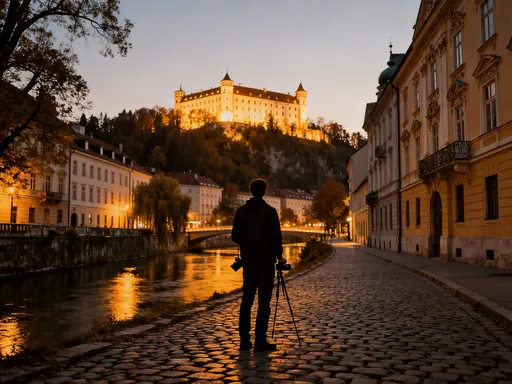
The trail begins near Turku Market Square, a vibrant hub where fresh produce, handmade crafts, and regional delicacies fill wooden stalls. From here, the path follows the riverbank, offering views of traditional boathouses and small docks where rowboats bob gently in the current. As you walk, Turku Castle rises in the distance, its stone towers standing as silent witnesses to over 700 years of history. The castle is visible from multiple points along the trail, serving as a constant reminder of the city’s medieval roots.
Further along, the trail passes through the old quarter of Porthaninmäki, where 18th- and 19th-century wooden houses line narrow streets. These homes, many still lived in today, reflect a time when craftsmanship and community defined daily life. The area feels timeless, especially in the early morning when mist clings to the river and birds call from the trees. Interpretive signs along the route provide historical context, explaining the significance of certain buildings and neighborhoods.
The trail is well-paved in the city center, making it suitable for strollers and wheelchairs, but gradually transitions into natural surfaces as it moves toward the outskirts. Hiking conditions vary by season—spring brings melting snow and rushing waterfalls, summer offers lush greenery and warm evenings, autumn paints the landscape in gold and crimson, and winter transforms the path into a snow-dusted wonderland perfect for snowshoeing. Regardless of when you visit, the Aura River Trail offers a gentle, immersive way to experience Turku’s soul.
Turku Castle: Where History Meets the Hiking Route
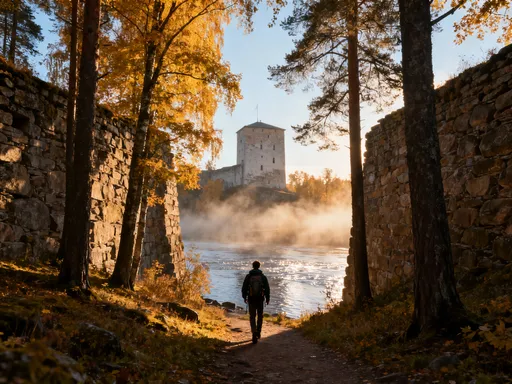
No visit to Turku is complete without stepping inside Turku Castle, a fortress that has stood sentinel over the city since the late 1200s. As Finland’s largest and best-preserved medieval castle, it is a cornerstone of national heritage and a highlight for any cultural hiker. The castle is easily accessible from the Aura River Trail, with clear signage leading from the riverbank to its grand entrance. Its limestone walls, weathered by time and war, tell stories of nobility, rebellion, and resilience.
Originally built as a military stronghold and administrative center, the castle evolved over centuries, expanding into a luxurious residence for Swedish nobility when Finland was part of Sweden. Today, it functions as a museum, offering visitors a chance to explore its dungeons, grand halls, and private chambers. Exhibits include period furniture, historical artifacts, and interactive displays that bring the past to life. One of the most striking features is the Knights’ Hall, a vast room with vaulted ceilings and a long table set as if for a royal banquet.
Hikers can incorporate a visit into their journey with minimal detour. The castle grounds include restrooms, a café, and a small gift shop, making it a convenient stop for refreshments and reflection. Guided tours are available in multiple languages, providing deeper insight into the castle’s role in Finnish history, including its use as a prison and arsenal in later centuries. For families, the museum offers child-friendly activities, such as dressing in period costumes or participating in medieval-themed games.
Outside the castle, a network of smaller trails leads to viewpoints overlooking the river and surrounding forests. These paths are especially peaceful in the early morning or late afternoon, when tourist crowds have thinned. Standing on the castle ramparts, looking out over Turku’s red rooftops and the flowing Aura River, one gains a profound sense of continuity—how generations have lived, worked, and walked these same lands. Turku Castle is not just a destination; it is a living chapter in Finland’s story, waiting to be explored on foot.
From Ruins to Churches: Discovering Architectural Gems on Foot
Beyond the castle, Turku’s hiking trails lead to other architectural treasures, each nestled within the natural landscape like pieces of a carefully curated puzzle. Among the most significant is Turku Cathedral, the spiritual center of Finland’s Evangelical Lutheran Church. Located just a short walk from the river trail, the cathedral’s twin spires rise above the city skyline, visible from many vantage points along the hike. Its origins date back to the 13th century, and though rebuilt after fires, it retains its Gothic character and sacred atmosphere.
The approach to the cathedral is lined with ancient gravestones and shaded by tall spruce trees, creating a contemplative mood. Inside, the stone walls, stained glass windows, and simple wooden pews invite quiet reflection. The cathedral is not a frozen relic—it is a living place of worship, hosting regular services, concerts, and community events. Visitors are welcome to enter, provided they do so respectfully and quietly. A small museum in the crypt offers historical exhibits about the church’s role in Finnish society over the centuries.
Another notable site reachable by trail is St. Olaf’s Church, a modest but historically rich building located in the center of Turku. Though smaller than the cathedral, it holds deep significance as one of the oldest churches in the region. Its simple stone structure and surrounding graveyard speak to centuries of community life, where generations have gathered for baptisms, weddings, and funerals. The churchyard is a peaceful spot to rest during a long hike, with benches tucked beneath old trees.
For those planning a full-day itinerary, it’s possible to link these sites into a cohesive cultural hike. Starting at the Market Square, one can follow the Aura River Trail to Turku Castle, then take connecting paths through the city center to the cathedral and St. Olaf’s Church. The entire route covers approximately 8 to 10 kilometers, depending on side paths taken, and can be completed at a leisurely pace in 4 to 5 hours. Along the way, hikers pass cafés, public restrooms, and shaded parks, making it a comfortable and enriching experience. This kind of journey allows travelers to see Turku not as a collection of sights, but as a living, breathing community shaped by history and nature alike.
Beyond the City: Hiking to Rural Landmarks in the Archipelago
While Turku’s urban trails offer a rich cultural experience, venturing beyond the city reveals an even deeper connection between land, sea, and history. The surrounding archipelago and rural municipalities are dotted with hidden landmarks accessible via forest trails and coastal paths. These journeys offer solitude, biodiversity, and a chance to discover Finland’s quieter, more introspective side.
Ruissalo Island, located just south of the city, is a prime destination for hikers seeking both nature and heritage. Connected by bridge and public bus, the island is home to a botanical garden, old villa districts, and a network of well-marked trails. One path leads to the ruins of a 19th-century manor house, once owned by a wealthy merchant family. Though only stone foundations remain, the site offers a panoramic view of the sea and surrounding forest, perfect for a quiet picnic or moment of reflection.
Further afield, the island of Kakskerta hosts the historic Kakskerta Church, a wooden structure dating back to the 17th century. Reaching it requires a combination of bus and trail walking, but the journey is part of the reward. The church sits in a clearing surrounded by pine and birch, its simple design reflecting the modesty and resilience of rural Finnish life. It remains an active place of worship, especially during summer festivals, and visitors are welcome to explore the grounds respectfully.
Other trails in the region lead to old coastal watchtowers, once used to monitor sea traffic and warn of invaders. These stone structures, now overgrown with moss and lichen, stand as silent sentinels on rocky outcrops. Along the way, hikers may spot deer, foxes, or a variety of bird species, including kingfishers and white-tailed eagles. The biodiversity of these areas is protected, and many trails pass through nature reserves where conservation efforts are ongoing. These journeys are not just about reaching a destination—they are about slowing down, listening to the wind, and feeling the presence of history in the land itself.
Practical Tips for Hiking with a Cultural Twist
To make the most of a cultural hiking experience in Turku, preparation is key. While the trails are well-marked and generally safe, the Finnish climate can be unpredictable, especially in shoulder seasons. Layered clothing is essential—start with a moisture-wicking base layer, add an insulating mid-layer, and finish with a waterproof outer shell. Even in summer, temperatures can drop quickly, particularly near the water.
Footwear should be sturdy and supportive, with good grip for uneven terrain. Hiking boots or trail shoes are recommended, especially for longer routes or forest paths that may be muddy after rain. A small backpack is useful for carrying water, snacks, a map or smartphone, and a light jacket. While many trails have benches and rest areas, bringing your own provisions ensures you can pause wherever the moment calls for it.
Navigation is made easier by several reliable tools. The Finnish tourism board provides printed trail maps at visitor centers, and digital options like the Finland National Parks app offer real-time GPS tracking and information on points of interest. Public transportation is also highly efficient—buses connect the city center to trailheads on Ruissalo, Kakskerta, and other nearby areas. For those who prefer to cover more ground, bike rentals are available and can be combined with hiking for a flexible, eco-friendly adventure.
It’s also wise to check weather conditions before setting out and to let someone know your planned route, especially if hiking in more remote areas. While Turku’s trails are generally safe and well-traveled, practicing basic outdoor safety enhances peace of mind. Finally, remember to respect local customs—this includes staying on marked paths, not disturbing wildlife, and being mindful of private property and active religious sites. These small acts of consideration help preserve the beauty and integrity of the places you visit.
Why This Experience Stands Out: The Soul of Finnish Simplicity
What makes hiking through Turku truly special is not just the scenery or the history, but the way these elements come together to create a sense of presence and connection. In a world that often feels rushed and fragmented, this kind of travel invites you to slow down, to walk with intention, and to let the landscape speak. Each step along the Aura River, each pause at a centuries-old church, each breath of pine-scented air contributes to a deeper understanding of Finland’s identity—one rooted in resilience, simplicity, and harmony with nature.
This experience embodies the Finnish concept of *sisu*—a quiet strength, perseverance, and inner determination. It’s not loud or dramatic, but it’s deeply felt. Hiking through Turku’s trails, you begin to understand how history is not just preserved in museums, but lived in the land, the architecture, and the daily rhythms of the people. It’s a form of sustainable travel that honors both culture and environment, encouraging visitors to engage mindfully and leave a light footprint.
Moreover, this journey fosters emotional resonance, especially for women in their 30s to 50s who may be seeking meaningful experiences beyond the ordinary vacation. It offers space for reflection, renewal, and connection—not only to a foreign culture but to oneself. Whether walking with a friend, a daughter, or alone with your thoughts, the trails of Turku provide a rare gift: time. Time to notice details, to appreciate craftsmanship, to feel the weight of centuries beneath your feet.
In the end, hiking through Turku is about more than physical movement. It is a pilgrimage of curiosity, a way to honor the past while staying present in the moment. It reminds us that the most powerful stories are often found not in books, but in the earth, the stones, and the quiet spaces between trees. This is travel that nourishes the soul, that lingers long after the journey ends.
Hiking in Turku is more than a walk in the woods—it’s a journey through time. Each trail leads not just to a destination, but to a deeper understanding of Finland’s identity. When nature cradles history, every step becomes meaningful. This is travel at its most authentic. Ready to lace up and explore?