Why I Never Skip Stretching — A Habit That Changed How I Move Forever
Most people think stretching is just something you do before or after a workout. But what if it’s actually a long-term investment in how your body feels every single day? I used to ignore it—until chronic stiffness and fatigue pushed me to build a real stretching routine. Over time, the changes weren’t just physical; my awareness of my body deepened. This is what happened when I made stretching a daily commitment.
The Wake-Up Call: When My Body Said “Enough”
For years, I treated my body like a machine that could run indefinitely without maintenance. I stayed active—walking the dog, doing yard work, keeping up with household chores—but I never paid attention to how I moved. Then, in my early 40s, subtle discomforts began to pile up. My hips felt tight when I stood up from the couch. My shoulders hunched forward, especially after long hours at the kitchen table or folding laundry. Even simple tasks like reaching for a high shelf or bending to tie a shoe became slightly painful.
At first, I dismissed it as normal aging. But the fatigue was harder to ignore. I felt heavier, slower, as if my body were wrapped in invisible layers of resistance. One morning, after sleeping in an awkward position, I couldn’t turn my head without wincing. That was the moment it hit me: I had stopped listening to my body. I had ignored the signals—tightness, stiffness, fatigue—for so long that my mobility was quietly deteriorating.
This wasn’t just about discomfort; it was about long-term function. I realized that flexibility isn’t a luxury reserved for yoga enthusiasts or athletes—it’s a fundamental part of staying independent, strong, and pain-free as we age. That morning, I made a quiet promise: I would start paying attention. I would stretch, every single day, not because I wanted to impress anyone, but because I deserved to move through life with ease.
Stretching Isn’t Just for Athletes: Debunking the Myths
Like many people, I used to believe stretching was only for those who ran marathons or practiced gymnastics. I thought, If I’m not flexible now, I never will be. I assumed my tight muscles were just part of who I was—a genetic limitation I had to accept. But the truth is far more empowering: flexibility is not a fixed trait. It’s a skill, one that can be developed at any age with consistency and care.
Stretching does more than lengthen muscles. It improves joint range of motion, which means your body can move more freely and efficiently. It supports circulation, helping deliver oxygen and nutrients to tissues while removing metabolic waste. It reduces muscular tension, which, over time, can prevent chronic pain and postural imbalances. These benefits aren’t just for elite performers—they’re essential for anyone who wants to stay mobile and independent well into later years.
Another common myth is that stretching must be intense to be effective. Some people believe they need to push into discomfort or hold poses for minutes to see results. But research shows that gentle, consistent stretching is more sustainable and often more beneficial than aggressive efforts. In fact, forcing a stretch can trigger the body’s protective reflexes, causing muscles to tighten up instead of release. The goal isn’t to achieve a perfect split; it’s to create space, ease, and awareness in your body.
When I let go of these myths, stretching became less intimidating and more accessible. I stopped comparing myself to others and focused instead on how my body felt. I learned that even a few minutes a day could make a difference—not overnight, but steadily, like drops filling a bucket.
The Long Game: Why Daily Stretching Beats Short-Term Efforts
At first, I tried stretching only on weekends or after workouts. But I noticed little change. My hips still felt stiff, and my posture didn’t improve. Then I read about neuromuscular adaptation—the idea that the nervous system learns to allow greater muscle length over time through repeated, consistent signals. This isn’t something that happens in a single session. It requires regular input, like watering a plant a little each day instead of flooding it once a month.
Daily stretching creates what some experts call movement hygiene—a routine maintenance practice for your body, much like brushing your teeth or washing your hands. Just as daily brushing prevents plaque buildup, daily stretching prevents the gradual shortening of muscles and connective tissues that comes from sitting, standing, or repeating the same motions day after day. Without this practice, muscles adapt to shortened positions, leading to stiffness, imbalance, and increased injury risk.
When I committed to stretching every day, the changes were subtle at first. After two weeks, I noticed I could stand up straighter. By week four, my morning stiffness had decreased. After six weeks, I caught myself reaching for a jar on a high shelf without thinking—and realized I hadn’t winced. These weren’t dramatic transformations, but they were real. My body was relearning how to move with less resistance, less effort.
The key was consistency, not intensity. I didn’t need to stretch for an hour or force my body into extreme positions. I just needed to show up, gently, every day. Over time, my muscles began to respond more readily, my joints felt smoother, and my overall sense of physical ease grew. It was proof that small, repeated actions compound into meaningful change.
What Actually Works: My Simple, Sustainable Routine
I knew I wouldn’t stick with stretching if it felt like a chore. So I designed a routine that was short, simple, and easy to remember. I settled on a 12-minute practice—six minutes in the morning to wake up my body, and six at night to release the day’s tension. The sequence focuses on areas that tend to hold the most stress: hip flexors, hamstrings, spine, shoulders, and neck.
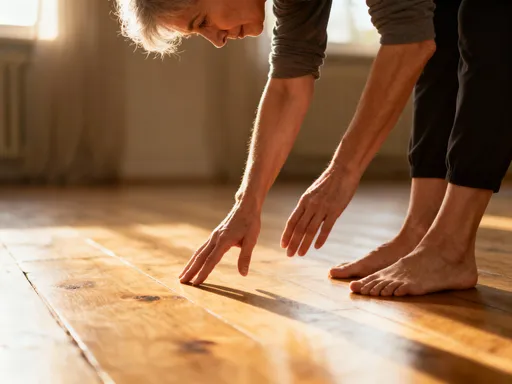
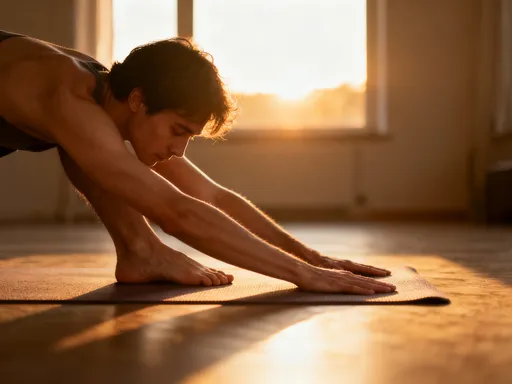
In the morning, I start with a seated forward fold to gently lengthen the hamstrings and lower back. I follow that with a kneeling hip flexor stretch, which targets the front of the hips—a common trouble spot for anyone who sits a lot. Then I do a gentle cat-cow sequence on the floor to mobilize the spine, moving slowly with my breath. Finally, I stretch my shoulders by reaching one arm across the body and using the other to gently press it in.
In the evening, I repeat a few of the same stretches but hold them a little longer. I add a figure-four stretch while lying on my back to open the hips more deeply. I also include a neck release, where I tilt my head to one side and use my hand to gently increase the stretch. Throughout, I focus on breathing deeply—inhaling to prepare, exhaling to release deeper into the stretch.
The most important rule I follow is gentleness over intensity. I never push to the point of pain. Instead, I aim for a mild sensation of tension—what some call the “edge” of the stretch. I hold each position for 30 to 45 seconds, allowing my muscles time to relax. This mindful approach has made the routine sustainable. It doesn’t feel like exercise; it feels like a quiet conversation with my body.
Beyond the Body: How Stretching Sharpens Mental Awareness
One of the most unexpected benefits of daily stretching has been its effect on my mind. Slowing down to stretch forces me to pay attention—to notice where I’m holding tension, where I feel resistance, where I feel ease. This heightened bodily awareness has spilled over into other areas of my life. I now catch myself slouching at the kitchen counter and adjust my posture. I notice when my jaw is clenched during stressful moments and consciously relax it.
This mind-body connection is more powerful than I realized. When I stretch, I’m not just moving muscles—I’m training myself to be present. The practice has become a form of moving meditation, a daily pause in a busy life. Over time, this has reduced my overall stress levels. I fall asleep more easily, wake up feeling more rested, and approach daily tasks with greater focus.
Research supports this link between physical awareness and mental well-being. Studies have shown that mindful movement practices like stretching can reduce cortisol levels, the hormone associated with stress. They also improve parasympathetic nervous system activity, which helps the body rest and recover. For me, the emotional benefits have been just as valuable as the physical ones. I feel calmer, more centered, more in tune with myself.
This awareness has also made me more proactive about my health. Instead of waiting for pain to become severe, I now notice early signs of strain and address them before they escalate. I’ve learned to respect my body’s limits and honor its need for rest and care. Stretching has become a daily act of self-respect—one that nurtures both body and mind.
Science Meets Experience: What Research Says About Long-Term Flexibility
My personal experience is backed by a growing body of scientific evidence. Regular stretching has been shown to support joint health by maintaining the elasticity of connective tissues and preventing the stiffening that comes with inactivity. It improves blood flow to muscles, which aids in recovery and reduces soreness. Over time, consistent stretching can reduce the risk of injuries, especially those related to everyday movements like lifting, bending, or twisting.
One study published in the Journal of Aging and Physical Activity found that older adults who practiced daily stretching for 10 weeks showed significant improvements in balance, flexibility, and functional mobility—key factors in preventing falls. Another study in the Scandinavian Journal of Medicine & Science in Sports demonstrated that regular static stretching increased range of motion and reduced muscle stiffness, with benefits accumulating over time.
Perhaps most importantly, research shows that the benefits of stretching are cumulative. Like compound interest, small gains build on each other. A 2021 review in Frontiers in Physiology concluded that long-term flexibility training leads to structural changes in muscles and tendons, making movement easier and more efficient. These changes don’t happen overnight, but they are real and measurable.
What’s clear from both science and personal experience is that stretching is not a quick fix. It’s a long-term investment in mobility, comfort, and independence. The earlier you start—and the more consistently you practice—the greater the payoff in later years. And the best part? It’s never too late to begin.
Making It Stick: How to Build a Lasting Stretching Habit
The biggest challenge isn’t knowing how to stretch—it’s making it a habit. I’ve learned that success comes from simplicity and integration. I don’t rely on motivation; I rely on routine. I stretch at the same times every day—right after brushing my teeth in the morning, and right before turning off the bedroom light at night. These existing habits act as anchors, making it easier to remember and follow through.
I also use gentle cues to support consistency. I keep a yoga mat rolled up next to my bed, so it’s visible and accessible. On days when I feel less inclined, I tell myself I only need to do one stretch. That tiny commitment often leads to doing the full routine. I sometimes play soft instrumental music in the background, which makes the practice feel more like a ritual than a task.
Patience has been essential. The real changes took months to become obvious. There were days I felt discouraged, wondering if I was making any progress at all. But I kept going, trusting the process. And slowly, steadily, my body responded. I move more freely now. I carry less tension. I feel more connected to myself.
If you’re considering starting a stretching routine, my advice is simple: begin small, be consistent, and be kind to yourself. You don’t need special equipment or hours of time. Just 10 minutes a day, done with attention and care, can transform how you feel. It’s not about perfection—it’s about presence. And over time, that presence becomes a gift: a body that feels freer, lighter, and more alive.
Stretching never felt important—until it changed everything. It’s not about touching your toes; it’s about staying connected to your body for the long run. This quiet, consistent practice has reshaped how I move, think, and feel. In a world that glorifies speed and intensity, choosing to stretch daily is a quiet act of self-respect—one that pays dividends for years to come.