What My Recovery Taught Me: A Real Talk on Healing the Western Medicine Way
Recovery isn’t just about fixing what’s broken—it’s about rebuilding how you live. After my own rehab journey using Western medicine, I learned that progress isn’t instant, but with the right plan, it’s possible. This isn’t a miracle story, just real steps that worked for me—guided by doctors, grounded in science, and built for real life. I didn’t regain strength overnight. There were days I questioned if I’d ever feel like myself again. But through structured care, professional support, and daily effort, I found a path forward. This is a story about what healing truly means when supported by evidence-based medicine and personal commitment.
The Wake-Up Call: When Injury Changed Everything
The moment I twisted my knee during a routine walk, I didn’t think much of it. A sharp pain, yes, but nothing that wouldn’t go away with rest. For weeks, I limped through daily life, avoiding stairs, canceling plans, and relying on over-the-counter pain relievers. But the discomfort didn’t fade—it deepened, spreading into stiffness, swelling, and a growing fear that something was seriously wrong. That fear turned into frustration when I could no longer carry groceries or play with my children without wincing. The emotional weight was just as heavy as the physical pain. I felt trapped in a body that no longer responded the way it used to.
Accepting that I needed professional help was one of the hardest steps. Like many, I had hoped my body would simply heal itself. I believed rest and time were enough. But Western medicine taught me otherwise. After a referral from my primary care physician, I underwent a thorough evaluation. It was an MRI that revealed a torn meniscus and early signs of cartilage wear—diagnoses I couldn’t ignore. That scan wasn’t just an image; it was a wake-up call. It showed me that healing required more than hope. It required action, expertise, and a structured plan.
Choosing Western medicine wasn’t about rejecting other approaches—it was about trusting a system built on diagnostics, clinical evidence, and trained professionals. I valued the clarity it offered. Instead of guessing what was wrong, I had answers. Instead of experimenting with unproven remedies, I had a treatment path designed by specialists. My journey began not with a miracle cure, but with a conversation—a doctor explaining my condition, outlining options, and setting realistic expectations. That moment of clarity, grounded in science, became the foundation of my recovery.
Understanding Rehab in Western Medicine: More Than Just Exercises
Rehabilitation in Western medicine is often misunderstood as a series of repetitive movements or a quick fix after surgery. In reality, it is a comprehensive, science-driven process aimed at restoring function, reducing pain, and preventing future injury. It is not merely about physical recovery but about retraining the body to move safely and efficiently. The goal is not just to heal the injury but to address the underlying causes—whether they stem from muscle imbalances, poor movement patterns, or chronic inflammation. This holistic view ensures that recovery is sustainable, not temporary.
At the heart of this process are medical professionals: physicians, physical therapists, and diagnostic specialists. Each plays a distinct role. Doctors diagnose the condition using imaging tools like X-rays and MRIs, which provide detailed views of bones, muscles, and soft tissues. Physical therapists then design personalized rehabilitation programs based on these findings. They assess strength, flexibility, joint stability, and movement mechanics to create a plan tailored to the individual. This collaborative approach ensures that treatment is not guesswork but a targeted response to real physiological needs.
One of the most important lessons I learned was that no two rehab plans are identical. While the principles of healing are universal, the application is highly individualized. For example, two people with the same knee injury may follow different paths based on age, activity level, overall health, and lifestyle. Western medicine emphasizes this personalization. It uses clinical guidelines, but adapts them to fit the patient. This balance between standardization and customization is what makes the system both reliable and flexible. It’s not about applying a formula—it’s about understanding the person behind the diagnosis.
My First Steps: Walking Through the Early Stages of Treatment
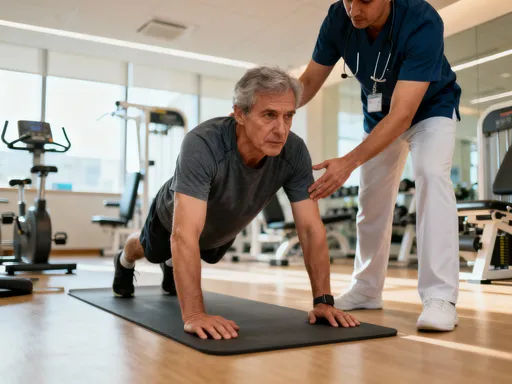
The first days of formal rehabilitation were humbling. I entered the clinic expecting to start intense exercises, but instead, I underwent a series of assessments. A physical therapist measured my range of motion, tested muscle strength, and observed how I walked. They reviewed my medical history, asked about daily activities, and even discussed my sleep and stress levels. This comprehensive evaluation was eye-opening. It showed me that recovery wasn’t just about the injured area—it involved my entire body and lifestyle.
Initially, my treatment focused on passive therapies. These included manual therapy, where the therapist used hands-on techniques to mobilize my joint and reduce stiffness, and electrical stimulation, which helped decrease inflammation and improve muscle activation. I also received ultrasound therapy, a non-invasive method that uses sound waves to promote tissue healing. At first, I was skeptical—these treatments didn’t feel like “work,” and progress seemed invisible. But over time, I noticed subtle changes: less swelling, improved circulation, and a gradual return of mobility. These early interventions laid the groundwork for more active rehabilitation.
Emotionally, this phase was challenging. I wanted to rush ahead, to skip to the exercises that promised visible results. But my therapist reminded me that healing follows a sequence. Jumping into intense activity too soon could worsen the injury or delay recovery. Western medicine respects the body’s natural healing timeline. Tissues need time to repair. Ligaments, tendons, and cartilage regenerate slowly—often over weeks or months. Pushing too hard too soon risks setbacks that could extend recovery by months. Learning patience was as important as any physical intervention.
Building Strength: The Active Phase That Changed My Game
As my pain decreased and mobility improved, my rehabilitation shifted from passive to active care. This phase marked a turning point. For the first time, I felt like I was actively contributing to my recovery. My therapist introduced a series of guided exercises—controlled movements designed to rebuild strength, improve coordination, and restore functional movement. These weren’t random workouts; each was chosen to target specific muscle groups, stabilize joints, and retrain neuromuscular pathways.
One of the most effective components was resistance training with light weights and resistance bands. At first, the exercises felt simple—leg lifts, mini squats, step-ups—but they were precisely calibrated to match my current ability. Over time, the intensity increased gradually, allowing my body to adapt without strain. I also engaged in neuromuscular re-education, which focused on improving balance and proprioception—the body’s ability to sense its position in space. This was especially important for preventing future falls or re-injury.
What surprised me most was that consistency mattered more than intensity. I didn’t need to train for hours or push myself to exhaustion. Just 20 to 30 minutes a day, performed with proper form, led to noticeable improvements within weeks. My therapist emphasized quality over quantity, correcting my posture and movement patterns to ensure safety. Regular feedback helped me stay on track and avoid compensating with other body parts, a common cause of secondary injuries. This phase taught me that recovery isn’t about heroic effort—it’s about steady, mindful progress.
The Hidden Player: Why Pain Management Is Part of the Plan
Pain is often seen as an enemy to be eliminated, but in Western medicine, it’s treated as a signal—a vital source of information. Rather than simply masking discomfort with medication, the goal is to understand its origin and respond appropriately. My pain management plan was not centered on opioids or long-term drug use. Instead, it relied on non-opioid strategies supported by medical research. These included anti-inflammatory protocols, activity pacing, cryotherapy, and medical supervision to ensure safety and effectiveness.
Anti-inflammatory approaches played a key role. I followed a diet rich in omega-3 fatty acids, antioxidants, and whole foods—choices shown to reduce systemic inflammation. I also used ice therapy after exercises to minimize swelling and discomfort. Activity pacing was another crucial element. Instead of pushing through pain or avoiding movement altogether, I learned to break tasks into manageable segments, allowing my body to recover between efforts. This balanced approach prevented flare-ups and supported steady healing.
Perhaps the most empowering lesson was learning to listen to my pain. Western medicine taught me to distinguish between harmful pain—sharp, localized, worsening—and discomfort that was part of the healing process—mild soreness after exercise, for example. Ignoring pain can lead to further injury, while fearing it can lead to unnecessary avoidance and deconditioning. By understanding the difference, I became more confident in my movements. Pain was no longer a barrier—it became a guide, helping me adjust my efforts and stay on a safe recovery path.
Staying on Track: The Daily Habits That Made a Difference
Rehabilitation doesn’t end when the therapy session does. The real work happens in daily life—in the choices we make about posture, movement, rest, and self-care. One of the most impactful changes I made was improving my posture. Whether sitting at my desk, standing in the kitchen, or sleeping at night, small adjustments made a big difference. My therapist showed me how to align my spine, support my lower back, and avoid positions that strained my joints. These corrections reduced stress on my healing knee and prevented secondary issues like lower back pain.
Sleep positioning was another simple but powerful habit. I began using a pillow between my legs when lying on my side to keep my hips aligned. I also invested in a supportive mattress and avoided sleeping in positions that twisted my knee. These changes improved circulation and reduced nighttime stiffness. At work, I adjusted my chair height, used a footrest, and took short walking breaks every hour. These ergonomic improvements weren’t drastic, but over time, they significantly reduced strain and fatigue.
Nutrition and hydration also played a critical role. I increased my water intake, knowing that proper hydration supports joint lubrication and tissue repair. I focused on protein-rich foods to aid muscle recovery and included fruits and vegetables high in vitamin C and zinc—nutrients essential for collagen production and immune function. My doctor reminded me that healing is a biological process that depends on the right building blocks. Even rest was strategic—allowing my body time to repair without falling into inactivity.
Technology also supported my journey. I used a fitness tracker to monitor my daily steps, ensuring I stayed active without overdoing it. Some rehab clinics offer apps that guide patients through prescribed exercises, track progress, and send reminders. While I didn’t become obsessed with data, these tools helped me stay accountable and motivated. They turned abstract goals into measurable milestones, making progress feel tangible.
Looking Back, Moving Forward: What I’d Tell My Past Self
If I could speak to myself at the start of this journey, I would say: be patient. Healing is not linear. There will be good days and setbacks, moments of hope and frustration. I used to believe that if I just pushed harder, I’d recover faster. But Western medicine taught me that recovery is not about speed—it’s about consistency, precision, and respect for the body’s limits. Trusting the process, even when progress feels slow, is essential.
I would also warn myself against self-diagnosing or skipping therapy sessions. It’s easy to look up symptoms online or compare my recovery to others, but every body is different. What works for one person may not work for another. Relying on professional guidance ensured that my treatment was safe, effective, and based on accurate information. Skipping sessions to save time or because I felt “better” only delayed my progress. Each session built on the last, reinforcing gains and preventing regression.
Finally, I’ve come to see rehabilitation not as a detour from life, but as a foundation for a healthier future. It’s not just about recovering from an injury—it’s about learning how to move, rest, and care for your body in ways that prevent future problems. The habits I developed during rehab—mindful movement, proper nutrition, attention to posture—have become permanent parts of my lifestyle. Western medicine didn’t just heal my knee; it gave me the tools to protect my long-term well-being.
Rehabilitation isn’t just a medical process—it’s a personal transformation. My journey taught me that Western medicine offers more than pills and scans; it provides a clear, structured path forward when you’re lost in pain and limitation. It’s not about perfection, but progress. And while every body heals differently, one thing is certain: with professional support, patience, and daily commitment, recovery isn’t just possible—it’s within reach.